How to Start an Estate Cleanout
You're standing in a home full of someone's lifetime of belongings. Where do you even start? The whole thing feels impossible.
The good news: you don't have to figure it all out at once. You just need to know the first few steps. The rest unfolds from there.
Here's how to begin an estate cleanout without getting overwhelmed.
Before You Touch Anything
Before moving or sorting a single item:
Check the will and estate documents. Are there specific items bequeathed to specific people? Are there instructions about what to do with certain belongings? Know this before you start.
Coordinate with family. Who needs to be involved? Who wants what? Having these conversations upfront prevents conflict later.
Secure the property. Make sure the home is safe—change locks if needed, secure valuables, check that utilities are on (or properly winterized if off).
Take photos. Document the home's condition before you start. This protects you legally and helps remember what was there.
Your First Day: The Walk-Through
Don't try to sort everything on day one. Instead:
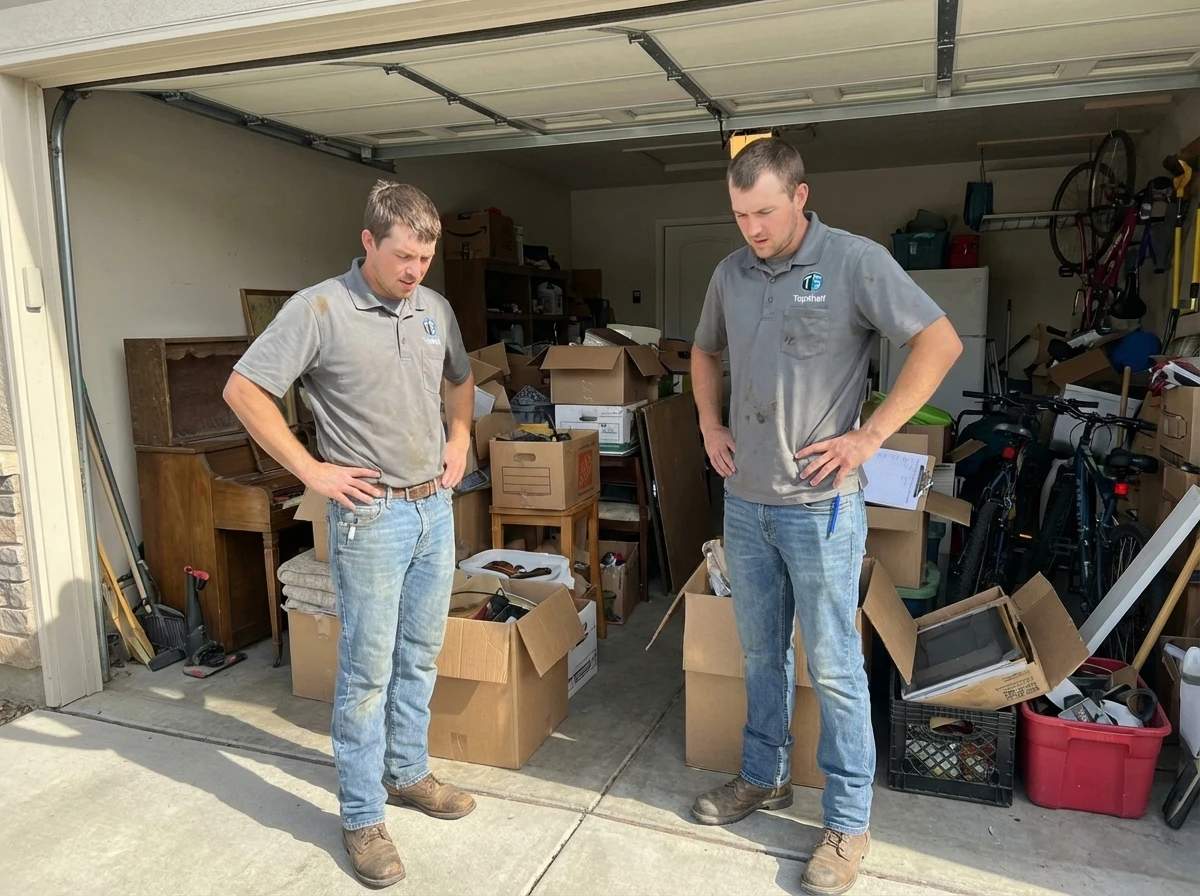
Walk through every room. Open every closet, look in every drawer, check the garage, basement, and attic. Get a complete picture of what you're dealing with.
Note the obvious high-priority items. Important documents, valuables, items mentioned in the will, things that need immediate attention.
Identify problem areas. Is there a room stuffed floor to ceiling? A shed full of mystery items? Knowing where the hard parts are helps you plan.
Make rough categories. Mentally note areas of similar items—tools, clothes, paperwork, kitchen items. You'll tackle these systematically later.
Priority One: Important Documents and Valuables
Before any major sorting begins, secure these items:
Put these in a safe place or take them with you. Don't leave them in the home during the cleanout process.
Creating a Sorting System
Once important items are secured, set up your sorting system. Most people use some version of:
Keep. Items you or family members want. This might have sub-categories for different people.
Donate. Items in good condition that can help others. Goodwill, Salvation Army, and local Boise charities will take usable items.
Sell. Items with value that are worth the effort to sell. Be realistic—most household items have less resale value than people expect.
Trash. Items that can't be donated or sold. This is usually more than people anticipate.
Decide later. Items you can't decide about right now. Keep this pile small—don't let it become an excuse to postpone decisions.
Working Through the Home
Once your system is set up:
Start with easier areas. Build momentum with spaces that don't carry as much emotional weight—bathrooms, kitchen pantry, utility rooms.
Work one room at a time. Finish an area before starting the next. Partial progress everywhere is demoralizing; completed rooms show accomplishment.
Handle each item once. Pick it up, make a decision, put it in the appropriate pile. Coming back to items repeatedly wastes time and energy.
Set realistic daily goals. Two or three hours of sorting is about what most people can handle at a stretch. Plan breaks and stopping points.
When You Get Stuck
Getting stuck is normal. Here's how to move forward:
Switch areas. If a room is too emotional, work somewhere else for a while. Come back when you're ready.
Bring in fresh eyes. A friend or family member who wasn't as close to the person can often help with decisions you're stuck on.
Set a timer for hard decisions. Give yourself 30 seconds to decide. If you can't, put it in the "decide later" pile and move on.
Remember the purpose. You're not erasing the person. You're handling their belongings so you can move forward. They'd want you to be okay.
The Bottom Line
Starting is the hardest part. Once you've taken inventory, secured important items, and begun sorting one room, the process becomes more manageable.
Don't try to do it all at once. Work in sessions. Take breaks. Ask for help when you need it.
And remember—you can always call in professional help for the heavy lifting once the sorting is done.
Need Help With Your Estate Cleanout?
Whether you need full-service cleanout or just help with the removal after you've sorted, we're here. Serving Boise, Meridian, Nampa, and the Treasure Valley.
Call (208) 314-4463